The Pre-Shift Meeting Guide: A 10-Minute Huddle That Sets the Tone
A practical pre shift meeting guide for managers: a 10-minute huddle structure, ready-to-use topics, and a checklist to align your shift team before every servi
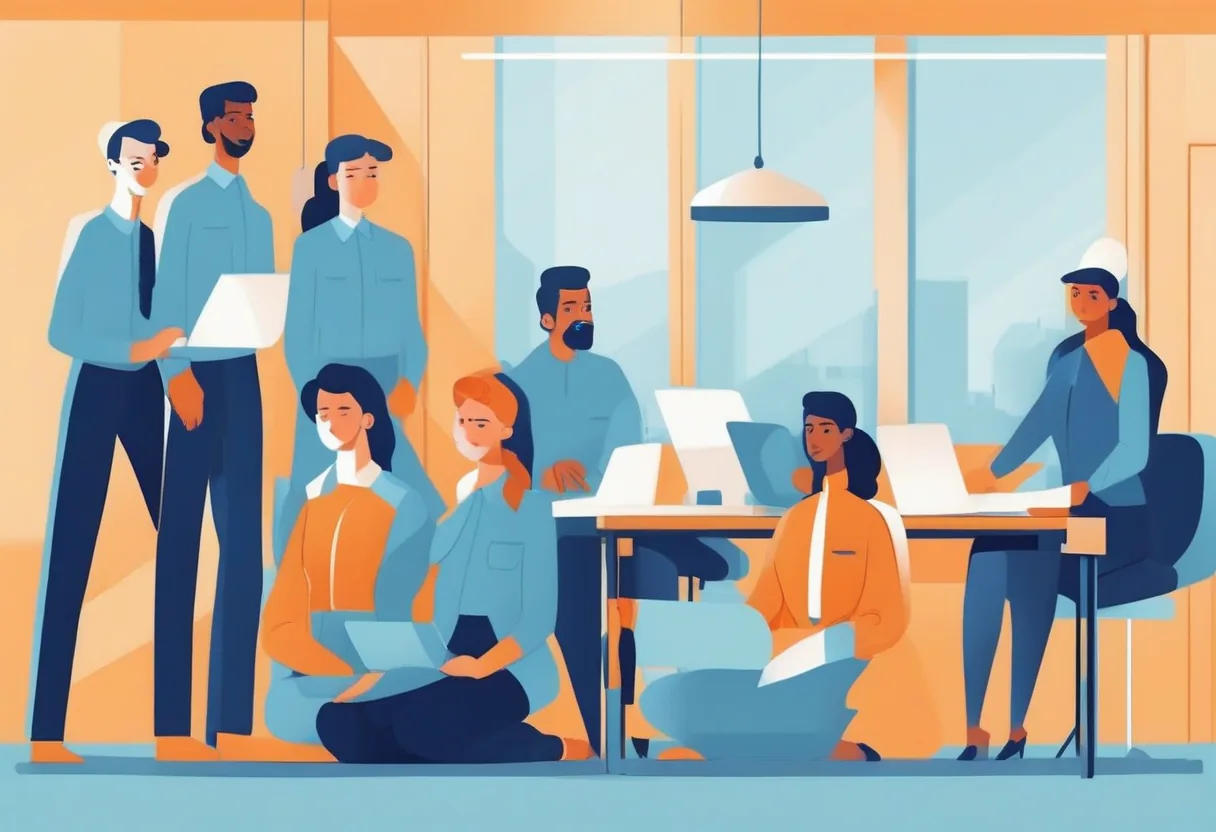
It’s 4:52 on a Friday. The first reservation lands at 5:00. Your closer called out, the new hire doesn’t know which section is theirs, and there’s a private party of twelve at 7:30 that nobody mentioned. You could let everyone find out the hard way, one mistake at a time, all night. Or you could pull the team together for eight minutes and get everyone pointed in the same direction before the doors open.
That eight minutes is the difference between a shift that runs you and a shift you run. Most managers either skip the pre-shift meeting entirely or let it sprawl into a 25-minute lecture nobody remembers. Both are losing strategies.
This pre shift meeting guide gives you a repeatable structure, a bank of topics that actually matter, and a checklist you can keep on a clipboard. The goal isn’t a longer meeting. It’s a tighter one.
What is a pre-shift meeting and why does it matter?
A pre-shift meeting is a short, focused huddle — usually 5 to 12 minutes — that a manager runs with the team right before a shift starts. It aligns staff on priorities, special events, staffing gaps, and goals for the day. Done consistently, it cuts mistakes, speeds up the start of service, and makes the whole team feel informed instead of ambushed.
The value isn’t in any single meeting. It’s in the rhythm. When your team knows a quick huddle happens at the same time every shift, they show up a few minutes early, they listen, and they stop relying on you to relay the same information ten separate times once things get busy.
How to structure a daily pre shift huddle
A good huddle has a shape. When you wing it, you ramble; when you follow a sequence, you finish in time and cover what counts. Here’s a simple structure that works across restaurants, retail floors, hotels, clinics, and warehouses.
The five-part flow
Run these five beats in order. The whole thing should fit inside ten minutes.
- Quick win or recognition (30–60 seconds). Open with something positive — a great review, yesterday’s sales number, a shout-out to someone who covered a gap. You set the tone in the first sentence.
- Today’s reality (2 minutes). Who’s on, who’s out, what’s covered. Name the staffing situation plainly so nobody is surprised mid-shift.
- The one priority (2 minutes). Pick a single focus for the shift. Not five. One. “Tables turn fast tonight, we’re slammed at 7.” Or “Returns line gets long after lunch — keep two registers open.”
- Heads-up items (2–3 minutes). Reservations, deliveries, VIPs, a broken piece of equipment, a promotion launching, a new menu item or product.
- Questions and go (1–2 minutes). Two open questions, then release the team. Don’t let it drift.
Keep it standing, keep it short
Hold the huddle standing up, in a spot where everyone can hear you without leaning in. Seated meetings expand to fill the chairs. A standing huddle has a natural clock built in — legs get restless, and that’s a feature. If your team is spread across zones, do a 90-second version per zone rather than dragging everyone to one room.
Pre shift meeting topics that earn their minute
The fastest way to ruin a huddle is to fill it with information people don’t need. The fastest way to make it valuable is to rotate through the topics that change shift to shift. Here’s a working bank of pre shift meeting topics, grouped by how often they belong in the room.
| Topic | How often | Why it matters |
|---|---|---|
| Staffing for the shift (who’s on, gaps, breaks) | Every shift | Prevents mid-shift scrambles and uneven coverage |
| The single priority for today | Every shift | Focuses effort instead of spreading it thin |
| Special events, VIPs, large bookings | As they come up | Stops surprises that derail service |
| One product/menu/service detail | 2–3x per week | Keeps product knowledge sharp without a lecture |
| A specific service or quality goal | Weekly | Gives the team something measurable to hit |
| Safety or compliance reminder | Weekly | Cheap insurance against expensive mistakes |
| Recognition / a recent win | Every shift | Builds morale and sets a positive tone |
| Schedule changes for the days ahead | As they change | Reduces no-shows and confusion about availability |
Pick three or four of these per huddle, not all eight. The staffing reality, the one priority, and a win belong in nearly every meeting. Rotate the rest.
Topics to skip in the huddle
Long policy changes, individual performance conversations, and anything that needs back-and-forth discussion don’t belong in a pre-shift meeting. Handle those one-on-one or in a scheduled team meeting. The huddle is for alignment, not for solving problems that need ten minutes of debate.
Running an effective shift huddle in different settings
The bones stay the same, but the muscle changes by industry. An effective shift huddle in a restaurant looks different from one on a warehouse floor.
The restaurant pre shift meeting
The restaurant pre shift meeting is the classic version — and the one most likely to sprawl. Keep it tight. Cover the reservation book and any large parties, the 86’d items and tonight’s specials, section assignments, and one service goal (a wine attachment, a dessert push, faster table turns). If you’re training the team on a new dish, give them one sentence and one tasting note, not a paragraph. Front of house and back of house can huddle together for the first three beats, then split for station-specific items.
Retail, hotels, and other floors
On a retail floor, your huddle leans on traffic expectations, promotions, and register coverage — the same forces covered in scheduling around foot traffic. In a hotel, the front desk huddle centers on arrivals, departures, VIPs, and group bookings, which pairs with a deeper look at hotel staff scheduling. In a clinic or warehouse, the priority is usually flow: appointment load, shipment volume, or a piece of equipment that’s down. Whatever the setting, the structure holds — open positive, name the reality, set one priority, flag the heads-up items, release.
Common mistakes that kill the huddle
A few habits will quietly drain the value out of your pre-shift meetings. Watch for these.
Making it a monologue
If you talk for nine straight minutes, you’ve held a briefing, not a huddle. Ask one person to share something — a regular’s preference, a tip that worked yesterday. Participation makes people listen.
Letting it run long
The moment your huddle regularly crosses twelve minutes, the team starts dreading it and showing up later. Protect the clock. A tight meeting that ends early earns more goodwill than a thorough one that runs over.
Skipping it when you’re busy
The busiest shifts are exactly when alignment matters most, and they’re the first ones managers cancel the huddle for. Flip that instinct. On your hardest shifts, the eight-minute investment pays back the fastest.
Forgetting to close the loop
If you set a goal in the huddle, mention how it went at the next one. “We pushed the dessert special yesterday and sold 22 — nice work.” Otherwise the team learns that huddle goals don’t matter.
A pre-shift huddle checklist
Keep this on a clipboard or your phone. Run down it in under a minute before you call the team together.
| Check | Done? |
|---|---|
| I know exactly who’s on and who’s out | ☐ |
| Breaks are planned so coverage never drops | ☐ |
| I’ve picked ONE priority for the shift | ☐ |
| I have today’s heads-up items written down | ☐ |
| I have one win or recognition to open with | ☐ |
| I know which topics to skip for a private chat later | ☐ |
| I can finish in under ten minutes | ☐ |
The checklist isn’t bureaucracy. It’s what keeps you from walking into the huddle and improvising — which is how huddles balloon and lose their punch.
How ShiftSynch helps
ShiftSynch helps you run a stable, well-managed team: organize staff into teams, track availability and qualifications, manage time-off, watch overtime before it becomes a payroll surprise, and see it all in clear reports on web and mobile.
Start free — no credit card required (1 team, up to 10 staff); paid plans start at $9/month with a 14-day trial.
Run the huddle the same way, at the same time, every shift. The structure does the heavy lifting once your team knows it’s coming. Start with the five-part flow this week, keep it under ten minutes, and watch how much smoother the first hour of service gets. For more on keeping teams aligned, the workforce category has practical guides on everything from last-minute call-outs to communicating with shift workers.
Frequently Asked Questions
Q: What are the best pre shift meeting topics to cover? The essentials for every huddle are the staffing reality (who’s on and out), one clear priority for the shift, and a quick win or recognition. Rotate in heads-up items like VIPs, large bookings, a product or menu detail, and a service goal. Skip long policy talks and individual feedback — handle those separately.
Q: How long should a daily pre shift huddle last? Aim for five to twelve minutes, with ten as your ceiling. A daily pre shift huddle is for alignment, not problem-solving. Hold it standing up to keep the natural clock running, cover your three or four topics, take a couple of questions, and release the team. Meetings that regularly run long lose attention fast.
Q: How do I run an effective shift huddle when we’re slammed? Run it anyway — busy shifts are when alignment pays off most. Tighten it to the staffing situation, the single priority, and the biggest heads-up item, and finish in five minutes. Skipping the huddle on your hardest shifts is exactly how small mistakes pile up once the rush hits.
Q: What makes a restaurant pre shift meeting different? A restaurant pre shift meeting leans on the reservation book, 86’d items, tonight’s specials, section assignments, and one service goal. Front and back of house can huddle together for the opening beats, then split for station-specific details. Keep new-dish training to one sentence and one tasting note rather than a full rundown.
Frequently Asked Questions
- What are the best pre shift meeting topics to cover?
- The essentials for every huddle are the staffing reality (who's on and out), one clear priority for the shift, and a quick win or recognition. Rotate in heads-up items like VIPs, large bookings, a product or menu detail, and a service goal. Skip long policy talks and individual feedback — handle those separately.
- How long should a daily pre shift huddle last?
- Aim for five to twelve minutes, with ten as your ceiling. A daily pre shift huddle is for alignment, not problem-solving. Hold it standing up to keep the natural clock running, cover your three or four topics, take a couple of questions, and release the team. Meetings that regularly run long lose attention fast.
- How do I run an effective shift huddle when we're slammed?
- Run it anyway — busy shifts are when alignment pays off most. Tighten it to the staffing situation, the single priority, and the biggest heads-up item, and finish in five minutes. Skipping the huddle on your hardest shifts is exactly how small mistakes pile up once the rush hits.
- What makes a restaurant pre shift meeting different?
- A restaurant pre shift meeting leans on the reservation book, 86'd items, tonight's specials, section assignments, and one service goal. Front and back of house can huddle together for the opening beats, then split for station-specific details. Keep new-dish training to one sentence and one tasting note rather than a full rundown.
Ready to replace the spreadsheet and group text?
Build the rotation, publish shifts, and see qualified coverage in ShiftSynch.
Start free