Coffee Shop Scheduling: How to Staff the Morning Rush Without Overworking Your Baristas
Coffee shop scheduling guide for staffing the morning rush, slow afternoons, barista rotations, breaks, and weekly cafe coverage without overspending.
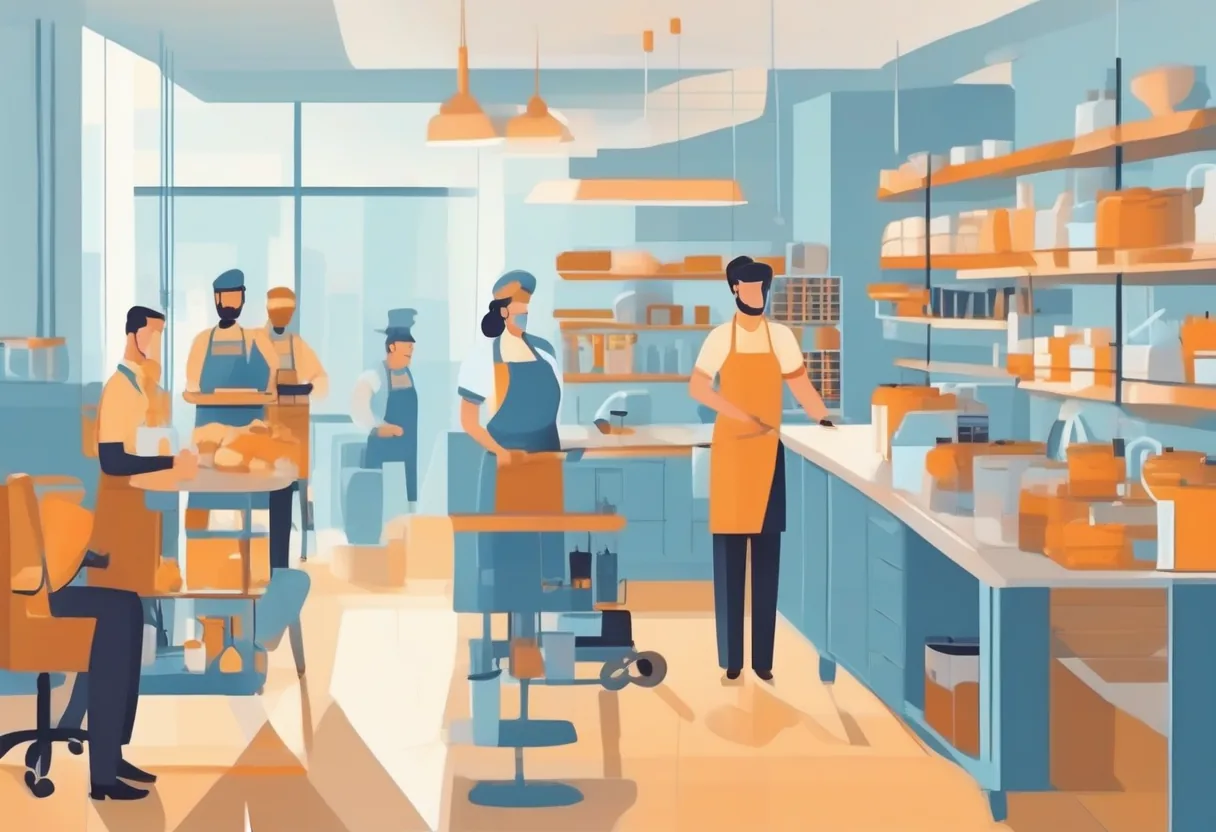
Coffee shop scheduling breaks down at 7:42 a.m., when the espresso machine is stacked with tickets, the pastry case needs restocking, and one barista is stuck remaking a drink for someone already late to work.
You can feel the line getting impatient before anyone says a word. The opener skipped their break, the new hire is still learning register flow, and your strongest barista is doing three jobs because the schedule looked fine on paper.
Then 2:15 p.m. hits, and the same shop feels overstaffed. Two people are wiping the same counter while labor keeps running.
Coffee shop scheduling works best when you build the day around demand curves: opener setup, morning rush staffing, mid-morning reset, lunch lift, afternoon slowdown, and close. Staff your strongest people where speed and judgment matter most, then use lighter coverage, breaks, prep work, and training during slower blocks.
Coffee Shop Scheduling Starts With the Shape of Your Day
Map demand before assigning names
Do not start with who wants which shift. Start with what the shop needs every hour.
A cafe schedule is really a traffic map. Most shops have a sharp morning spike, a smaller lunch or school pickup lift, and a long afternoon tail. Some locations also have weekend brunch pressure, commuter surges, or event-driven swings.
Write down your real operating blocks:
| Time block | Typical demand | Scheduling focus |
|---|---|---|
| Pre-open | Low customer volume | Setup, brewing, pastry display, register prep |
| Morning rush | Highest volume | Speed, role clarity, experienced coverage |
| Mid-morning | Moderate | Restock, breaks, cleaning reset |
| Lunch lift | Moderate to high | Food, mobile pickup, register support |
| Slow afternoon | Low to moderate | Prep, admin, training, lean coverage |
| Close | Low sales, high task load | Cleaning, cashout, next-day setup |
This table will not be perfect for every shop. That is the point: adjust it to your actual sales pattern, then schedule against the pattern instead of guessing.
Separate customer-facing work from back-of-house tasks
A common small cafe scheduling mistake is treating all labor as interchangeable. During a rush, customers do not care that milk is being stocked or dishes are getting caught up. They care that the line moves.
Break work into roles:
| Role | Rush priority | Slow-period priority |
|---|---|---|
| Bar | Espresso, drinks, quality control | Batch prep, deep cleaning |
| Register | Orders, payment, customer questions | Pastry labeling, retail display |
| Runner/support | Milk, cups, restocking, handoff | Dishes, trash, backups |
| Shift lead | Flow, breaks, exceptions | Counts, coaching, close planning |
When roles are clear, the schedule becomes easier to build. You are not just scheduling three people from 7 to 11. You are scheduling bar, register, and support during the window when those roles protect revenue.
Cafe Staffing Levels by Daypart
Use a staffing floor, then add for pressure
Cafe staffing levels should have a floor. That is the minimum number of people needed to keep the shop safe, clean, and functional. From there, add staff when volume, complexity, or task load rises.
A simple model might look like this:
| Daypart | Minimum coverage | Add coverage when |
|---|---|---|
| Open | 1-2 people | Large pastry setup, catering, commuter rush |
| Peak morning | 3-5 people | Drive-through, mobile orders, food program, high ticket volume |
| Midday | 2-4 people | Lunch food, school traffic, delivery pickup |
| Slow afternoon | 1-3 people | Training, prep, cleaning, solo coverage restrictions |
| Close | 2 people | Cash handling, safety, heavy cleaning, late traffic |
This is not a universal rule. A kiosk and a high-volume cafe need different staffing. The useful part is the logic: set a minimum, then add labor only where it reduces delays, protects quality, or prevents burnout.
Watch for hidden understaffing
Understaffing is not always a visible line. Sometimes it shows up as messy stations, missed breaks, rushed training, incorrect drinks, or a closer who inherits the whole day’s unfinished work.
If your morning team survives by skipping cleaning and your afternoon team survives by skipping prep, your schedule is not working. You are moving the labor problem from one shift to another.
Look for these signs:
| Sign | What it usually means |
|---|---|
| Drinks are remade often during peak | Bar is overloaded or support is missing |
| Breaks happen late or not at all | Coverage is too thin after the rush |
| Closers stay late | Slow-period tasks are not scheduled clearly |
| New hires only train during rush | Training is being squeezed into the worst window |
| Same person always anchors peak | Skill coverage is too concentrated |
A good schedule spreads pressure. Your best barista can lead the rush, but they should not be the only reason the morning works.
Morning Rush Staffing Without Chaos
Put your strongest coverage before the rush starts
Morning rush staffing starts before the first big wave. If the rush begins at 7:15, do not schedule the second or third person at 7:15. They will arrive after the problem has already started.
Give your team enough lead time to stock milk, dial in espresso, prep cups and lids, load the pastry case, check online orders, and assign stations.
A practical pattern:
| Shift | Purpose |
|---|---|
| 5:30-1:30 | Opener, setup, first bar/register |
| 6:30-2:30 | Rush anchor, experienced bar or lead |
| 7:00-11:00 | Peak support, register or runner |
| 8:00-12:00 | Second peak support or food/pickup |
| 10:00-4:00 | Reset, breaks, lunch, afternoon coverage |
Use illustrative math here. If one barista can comfortably produce 35 drinks per hour and your 7-9 a.m. window regularly needs 90 drinks plus food and register work, two people will not be enough. You may need three or four, depending on layout, menu complexity, and order channels.
Do not use peak as your default training block
Training during the rush feels efficient until it slows everyone down. New baristas need repetition, but they also need room to ask questions without blocking the line.
Schedule training during shoulder periods when possible:
| Training task | Better timing |
|---|---|
| Register basics | Mid-morning or slow afternoon |
| Milk steaming practice | After peak, before lunch |
| Pastry and retail setup | Pre-open with a lead |
| Closing checklist | Early close shadowing |
| Bar speed practice | Controlled rush support, not solo bar |
New employees can still observe peak. They can run food, restock, wipe, or shadow the register. Just avoid making the busiest 30 minutes their first real test.
For related pressure points, your call-out plan matters too. A strong schedule still needs a backup policy for the morning someone wakes up sick. See last-minute call-outs policy for a practical framework.
Barista Schedule Template for a Small Team
Start with coverage blocks, then fill people in
A barista schedule template should show coverage needs before names. That keeps the schedule from becoming a puzzle based only on availability.
Here is a simple weekly template you can adapt:
| Day | Open | Peak morning | Midday | Afternoon | Close |
|---|---|---|---|---|---|
| Monday | 1 lead + 1 barista | +2 support | 2 people | 1-2 people | 2 people |
| Tuesday | 1 lead + 1 barista | +1 support | 2 people | 1-2 people | 2 people |
| Wednesday | 1 lead + 1 barista | +1 support | 2 people | 1-2 people | 2 people |
| Thursday | 1 lead + 1 barista | +2 support | 2-3 people | 2 people | 2 people |
| Friday | 1 lead + 1 barista | +2 support | 3 people | 2 people | 2 people |
| Saturday | 1 lead + 1 barista | +2-3 support | 3 people | 2 people | 2 people |
| Sunday | 1 lead + 1 barista | +2 support | 2-3 people | 1-2 people | 2 people |
Treat this as a starting point. A downtown commuter cafe may need heavier weekday mornings. A neighborhood shop may need more Saturday late-morning coverage. A cafe near a gym may get a post-class spike at odd times.
Rotate hard shifts fairly
If the same people always open, close, and work weekends, resentment builds. If the same person always gets the best shift, everyone notices.
Use rotation patterns for:
| Shift type | Why rotate it |
|---|---|
| Opens | Early start fatigue adds up |
| Closes | Cleaning and cashout are heavy |
| Weekends | Personal-life impact matters |
| Peak bar | High stress and high skill demand |
| Solo afternoon | Requires judgment and independence |
Fair does not mean identical. Some employees prefer mornings. Some cannot close because of transportation or childcare. Fair means the schedule is explainable, consistent, and based on availability, qualifications, business needs, and clear rotation rules.
This is also where communication matters. A schedule posted late, changed quietly, or explained poorly can create frustration even when the staffing logic is sound. For a broader operating view, see team communication for shift workers.
Small Cafe Scheduling When Labor Is Tight
Protect the rush first
Small cafe scheduling often means choosing where labor matters most. If you cannot afford extra coverage all day, put it where it changes the customer experience: peak ordering, pickup congestion, and close.
A lean schedule can still work if you design the day carefully:
| Problem | Better scheduling move |
|---|---|
| Too many people after lunch | Move one shift earlier into peak |
| Opener overwhelmed | Add a short pre-rush support shift |
| Closers stay late | Assign prep and cleaning to afternoon blocks |
| Breaks get skipped | Build a mid-shift overlap window |
| Food slows drink service | Schedule a runner during food-heavy hours |
Short shifts can be useful when allowed by local rules and employee preferences. A 7-11 peak support shift may solve more than stretching the same person across a slow afternoon. Verify local scheduling, reporting-time, break, and predictability-pay rules before relying on very short or changing shifts.
Build breaks into the schedule, not around it
Breaks should not depend on the rush ending perfectly. They need coverage.
If your opener works 5:30-1:30, plan when that break can actually happen. If your rush anchor works 6:30-2:30, do not assume they can step away at 8:30. Place an overlap shift around 10 or 11 so breaks happen without dropping below your staffing floor.
A simple break-friendly pattern:
| Time | Coverage intent |
|---|---|
| 5:30-7:00 | Setup and early orders |
| 7:00-10:00 | Peak coverage, no planned breaks unless required and covered |
| 10:00-12:00 | Reset, breaks, restock |
| 12:00-2:00 | Lunch and second wave |
| 2:00-4:00 | Prep, training, lean counter coverage |
| 4:00-close | Close tasks and handoff |
Labor law varies by state, city, employee age, and shift length. Treat this as an operating pattern, then verify current local regulations before finalizing your policy.
Control Labor Cost Without Cutting the Wrong Hours
Measure the right symptoms
Cutting labor from the rush can look good on a spreadsheet and cost you sales at the counter. A customer who sees a long line may leave before ordering. A rushed barista may remake more drinks. A tired team may quit faster.
Track practical signals each week:
| Metric | What to look for |
|---|---|
| Sales by hour | Where demand actually lands |
| Tickets by hour | How many orders hit each station |
| Average wait complaints | Rush coverage and station flow |
| Labor cost by daypart | Where hours may be out of balance |
| Break completion | Whether the schedule is realistic |
| Close time variance | Whether tasks are getting pushed late |
Illustrative example: if adding one four-hour peak support shift costs $70 in wages and helps the team serve enough extra orders to cover it, the schedule may improve both service and revenue. The exact math depends on your wages, prices, margins, and customer flow.
Use slow afternoons for useful work
Slow afternoons are not dead time if you schedule them intentionally. They are where you recover from the morning and prepare the next one.
Assign clear work:
| Slow-period task | Scheduling note |
|---|---|
| Restock milks, cups, lids | Before lunch or afternoon pickup |
| Prep syrups, teas, cold brew | Put on checklist, not memory |
| Deep clean one station | Rotate by day |
| Train one skill | Pair with a strong employee |
| Review availability changes | Handle before next schedule draft |
| Check labor reports | Compare plan to actual coverage |
This helps you avoid two bad extremes: overstaffed afternoons with no direction, or understaffed afternoons that leave the close buried.
For more hospitality scheduling ideas across hotels and service teams, use the hospitality scheduling hub. Some principles overlap with hotel staff scheduling, especially around handoffs, coverage floors, and role clarity.
How ShiftSynch helps
ShiftSynch is built for busy service teams: organize staff into teams, build shifts around your peaks with rotation patterns, manage time-off and availability, and track labor in clear reports, on web and mobile.
Start free — no credit card required (1 team, up to 10 staff); paid plans start at $9/month with a 14-day trial.
A better cafe schedule does not make the rush quiet. It makes the rush predictable enough that your team knows where to stand, what to handle, and when relief is coming.
Start with the demand curve, protect the morning, and use the afternoon on purpose. That is how a coffee shop schedule starts feeling like a system instead of a weekly scramble.
Frequently Asked Questions
Q: What cafe staffing levels should I use for a small coffee shop? Cafe staffing levels depend on volume, layout, menu complexity, and order channels. A small shop may need one to two people at open, three or more during peak morning, lighter coverage in the afternoon, and two people at close. Start with a staffing floor, then add coverage where lines, missed breaks, or late closes show strain.
Q: What should a barista schedule template include? A barista schedule template should include open, peak morning, midday, afternoon, and close blocks before employee names are added. It should also show roles such as bar, register, support, and shift lead. Add availability, qualifications, time-off requests, breaks, and rotation rules so the final schedule is fair and workable.
Q: How do I plan morning rush staffing for a cafe? Plan morning rush staffing by scheduling experienced coverage before the rush begins, not at the moment it starts. Assign clear roles for bar, register, support, and shift lead. Use sales or ticket history by hour, then add short overlap shifts where they reduce waits, protect breaks, and keep stations stocked.
Q: What is the best approach to small cafe scheduling with slow afternoons? Small cafe scheduling works best when you protect peak hours and give slow afternoons a clear job. Move extra labor toward the rush, then use quieter blocks for prep, cleaning, training, restocking, and breaks. Keep enough coverage for safety and service, and verify local labor rules before using short or variable shifts.
Frequently Asked Questions
- What cafe staffing levels should I use for a small coffee shop?
- Cafe staffing levels depend on volume, layout, menu complexity, and order channels. A small shop may need one to two people at open, three or more during peak morning, lighter coverage in the afternoon, and two people at close. Start with a staffing floor, then add coverage where lines, missed breaks, or late closes show strain.
- What should a barista schedule template include?
- A barista schedule template should include open, peak morning, midday, afternoon, and close blocks before employee names are added. It should also show roles such as bar, register, support, and shift lead. Add availability, qualifications, time-off requests, breaks, and rotation rules so the final schedule is fair and workable.
- How do I plan morning rush staffing for a cafe?
- Plan morning rush staffing by scheduling experienced coverage before the rush begins, not at the moment it starts. Assign clear roles for bar, register, support, and shift lead. Use sales or ticket history by hour, then add short overlap shifts where they reduce waits, protect breaks, and keep stations stocked.
- What is the best approach to small cafe scheduling with slow afternoons?
- Small cafe scheduling works best when you protect peak hours and give slow afternoons a clear job. Move extra labor toward the rush, then use quieter blocks for prep, cleaning, training, restocking, and breaks. Keep enough coverage for safety and service, and verify local labor rules before using short or variable shifts.
Ready to replace the spreadsheet and group text?
Build the rotation, publish shifts, and see qualified coverage in ShiftSynch.
Start free